From mythical to mastered: Making sense of Marketing Mix Modelling
26th March 2026
Marketing mix models (MMM) can feel intimidating. Impenetrable blackboxes, capable of seemingly magical feats. When the results often arrive, they're usually fully formed and many of us accept them at face value, even when we’re not quite sure how they were produced.
Bauer Media Outdoor has produced a free downloadable guide to change people's confidence in using them. No complex maths. No econometric jargon. Just practical guidance to help you make better marketing effectiveness decisions.
MMM and marketing effectiveness
Marketing mix models sit at the centre of modern conversations about marketing effectiveness. The promise is simple: to explain what is driving sales, therefore helping marketers invest budgets more wisely.
By analysing historical data, MMM estimates the contribution of marketing channels alongside pricing, promotions, seasonality, distribution and wider market forces. In theory, this makes it one of the most powerful tools available for understanding effectiveness and optimising spend. However, in practice, MMM often feels opaque. Results arrive fully formed in the form of ROI figures, contribution charts and optimisation curves. There’s often very little visibility of how they’re produced or how robust they really are.
Why do MMM results need to be challenged?
MMM is not a definitive answer. It is a statistical estimate that’s shaped by the quality of the data, plus the assumptions, built into the model.
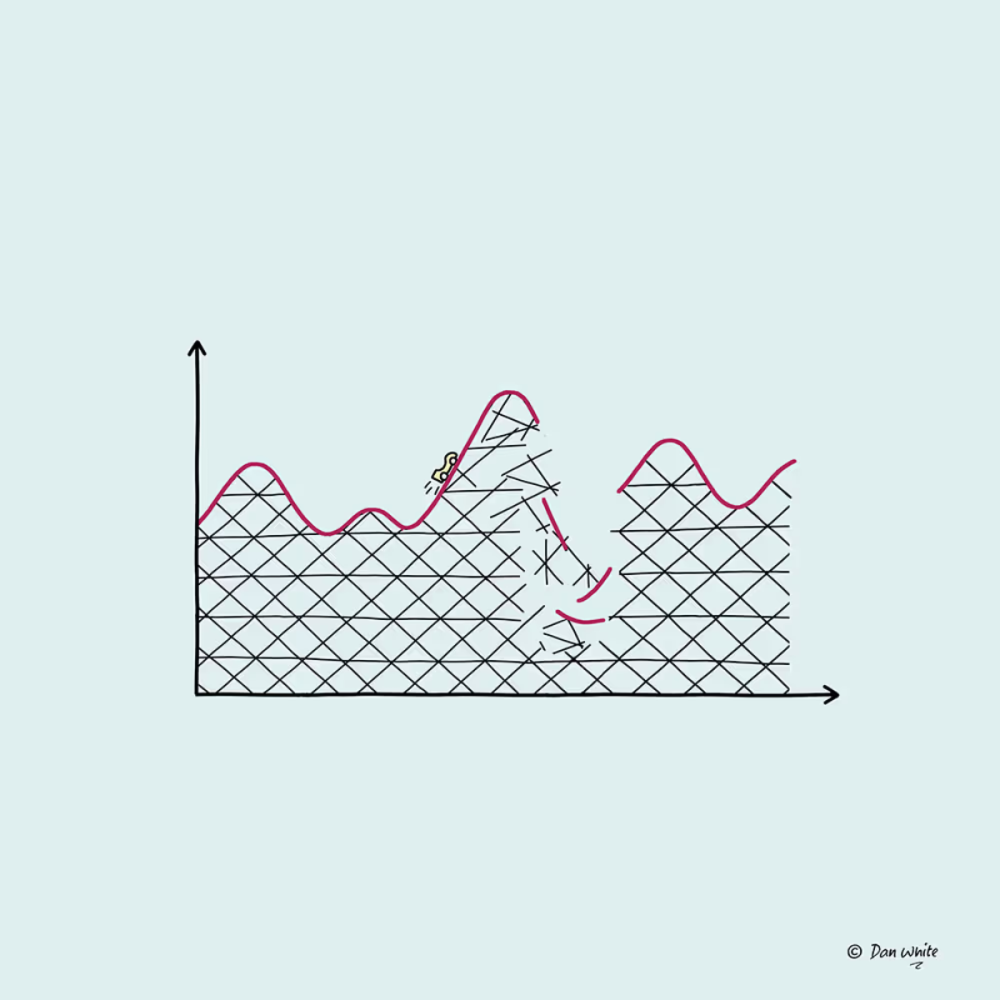
Small modelling choices can have a big impact on outputs. Missing variables, overlapping channels, limited variation in media activity, or poorly grounded assumptions can all distort results. When this happens, MMM can give the illusion of precision, but potentially mask genuine uncertainty.
From a marketing effectiveness perspective, the risk is clear: decisions get made on numbers that look authoritative - but may not reflect how brands actually behave in the real world.
You can download Bauer Media Outdoor's Guide to MMM via this link https://okt.to/rtL8pn